-
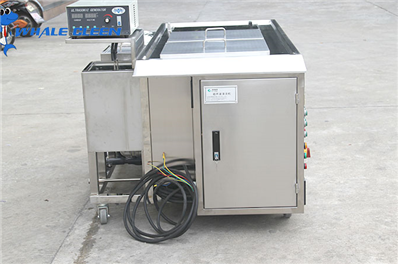 Ultrasonic Cleaning for Chemical Tank Residue Removal: A Technological Breakthrough
Cleaning chemical tanks is a critical aspect of ensuring safety and environmental compliance within the chemical industry. The utilization of ultrasonic cleaning machines has emerged as a cutting-edge solution for efficiently removing residues from the me
-
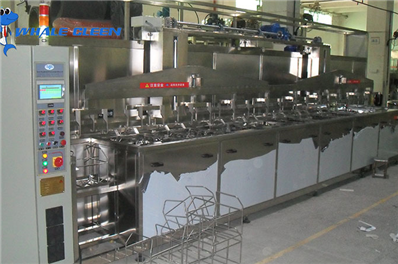 Enhancing Metallurgical Equipment Performance with Ultrasonic Cleaning Technology
Metallurgical equipment plays a crucial role in the production process of the metallurgical industry. Over time, these machines accumulate slag and contaminants on their metal surfaces, adversely affecting their performance and efficiency. The use of ultr
-
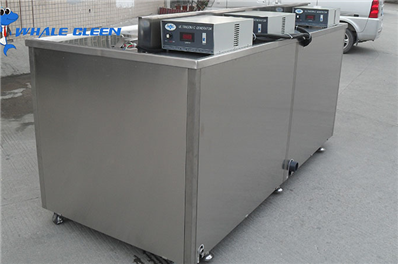 Enhancing Industrial Pressure Relief Valve Performance and Safety: Ultrasonic Cleaning for Effective Maintenance
Cleaning industrial pressure relief valves is a crucial step in maintaining their performance and safety in industrial processes. Over time, the metal surfaces of these valves tend to accumulate dirt, debris, and particles, which can impair their normal f
-
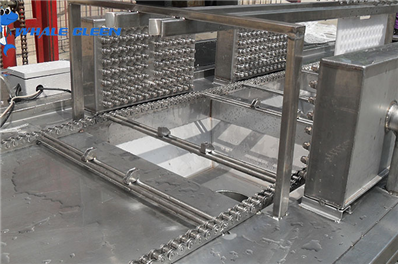 Revitalizing Metal Car Bodies: The Power of Ultrasonic Cleaning
The maintenance and preservation of a vehicle's appearance is a top priority for car enthusiasts and owners alike. Metal car bodies, susceptible to dirt, stains, and corrosion due to environmental factors and regular use, require efficient and effecti
-
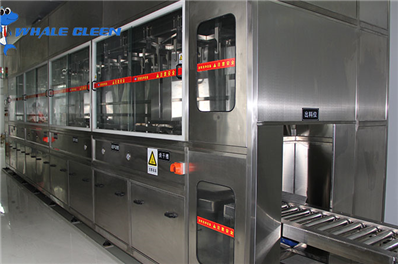 Enhancing Metal Manufacturing Equipment Efficiency with Ultrasonic Cleaning Machines
Ultrasonic cleaning machines are widely employed in the industrial sector for cleaning metal manufacturing equipment. These machines utilize the power of ultrasonic waves to efficiently remove contaminants such as oil, grease, particles, and dirt from the
-
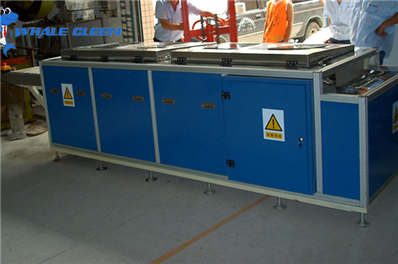 Ultrasonic Cleaning Machine: Ensuring Safe Operation and Electrical Performance of Metal Power Equipment
Cleaning metal power equipment: Ultrasonic cleaning machine removes dust, oil, and dirt from the surface and interior of metal power equipment to ensure safe operation and electrical performance. Cleaning metal power equipment is a critical step in
-
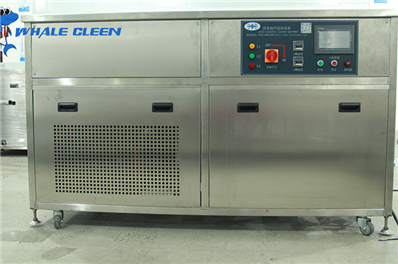 Ultrasonic Cleaning Equipment: The Ultimate Solution for Cleaning Metal Surfaces
In the industrial sector, maintaining the cleanliness of metal surfaces is paramount for ensuring the efficiency and longevity of machinery and components. Traditional cleaning methods often fall short in addressing the intricate requirements of metal sur
-
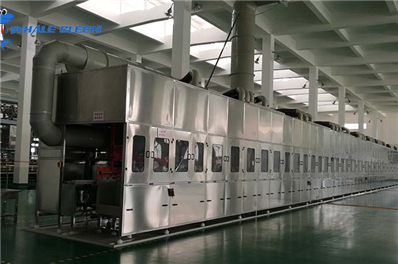 Ultrasonic Cleaning Machine Solves High-Volume Mold Release Oil and Oxidation Scale Cleaning
Manual wiping consumes labor hours, and when facing large batches of workpieces with mold release oil and oxidation scale, it quickly becomes overwhelming. In die-casting, forging, stamping, and machining operations, parts often leave production with a co
-
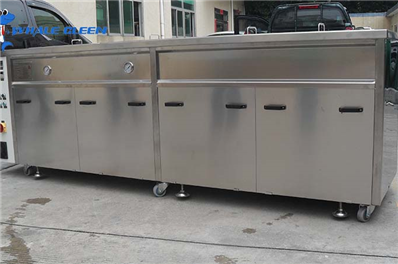 Ultrasonic Cleaning Machine for Blind Holes: How Whale Cleen Meets Strict Acceptance Standards
In precision manufacturing, the most difficult contamination is often the contamination you cannot see. Fine blind holes, narrow slots, threaded ports, and tight crevices can trap polishing dust, lapping residue, metal fines, and oil film. A part may look
-
 Stuck with Grinding Dust Embedded in Batch Workpiece Crevices? Manual Cleaning Is Draining Your Labor Budget and Driving Production Costs Through the Roof
Walk into any metalworking shop, stamping plant, or machining facility, and you will see the same scene repeated shift after shift: workers hunched over parts bins, scrubbing with brushes, picking at crevices with picks, blowing compressed air into blind
-
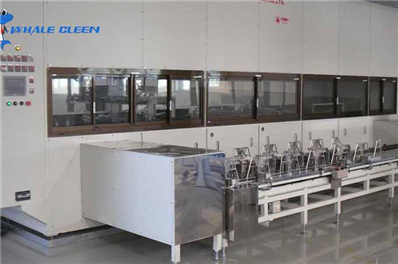 Same Ultrasonic Cleaning, Why Are Some Aerospace Fastener Yield Rates So Much Higher?
In aerospace manufacturing, few quality metrics are as unforgiving as fastener cleanliness. A single micro-fastener — a titanium alloy bolt, a high-strength steel screw, a threaded insert — can carry cutting fluids, lapping compounds, or microscopic metal
-
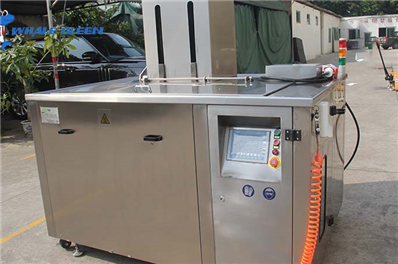 How Ultrasonic Cleaning Reaches the Thread Roots of Micro-Fasteners for Deep Chip and Oil Removal
In precision manufacturing, few challenges are as persistent—or as costly—as cleaning micro-fasteners. Screws, bolts, and threaded inserts with diameters under M2 feature intricate geometries: narrow thread valleys, blind holes, and sharp internal corners